




Discover the Hidden Histories of West Virginia’s New Deal Towns
Explore further with AI
Tucked in the hills of Almost Heaven are small towns packed with rich history, generational stories and humble beginnings. The Great Depression made a devastating impact on West Virginia, with unemployment rates reaching around 80 percent. President Franklin D. Roosevelt enacted New Deal legislation, which offered opportunities for employment and housing, giving a second chance at life.
The New Deal built three historic towns that still stand today, marking a crucial shift for the positive future of Appalachia.
Arthurdale
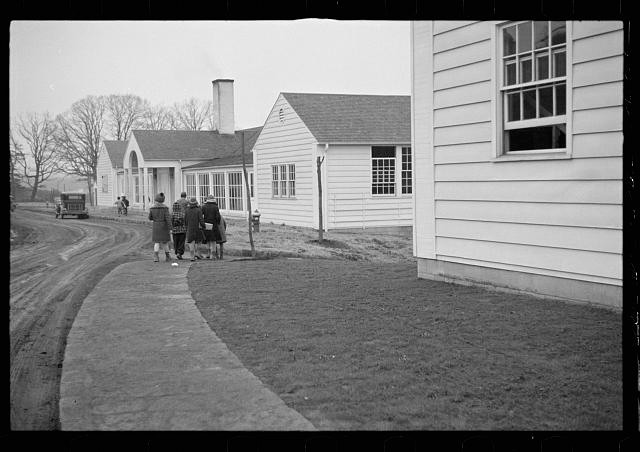
Arthurdale was the first New Deal Town in West Virginia, also known as First Lady Eleanor Roosevelt’s passion project. Throughout her life, Eleanor visited this historic town 33 times. In 1933, the Subsistence Homesteads Division accepted 1,000 individuals to start a new life on this land in Preston County. After a few years of construction, a community was born with 165 houses, a school, a gas station, a barbershop and more.
Arthurdale’s lively history didn’t lie dormant after the 1930s; it flourished into what is now a history-filled adventure. “Eleanor’s Little Village” has stood the test of time, with 160 of the original 165 homesteads still standing. Experience the feel of homestead life during the guided tour of Arthurdale, offered year-round. During this immersive tour, you’ll stop and stare at original buildings such as the Center Hall, museum house, Esso station, and more! There’s much history to explore in the archival town of Arthurdale
Eleanor
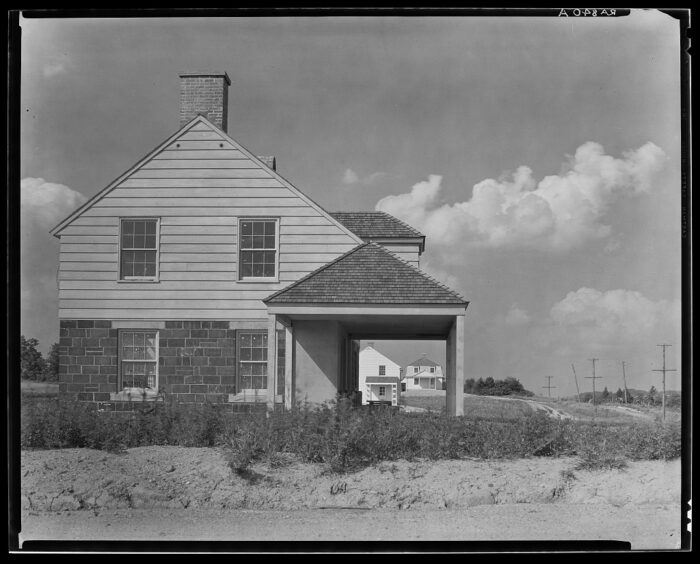
Shortly after Arthurdale’s success, another experimental town was established in Putnam County, initially referred to as Red House; the small town now takes its name from First Lady Eleanor Roosevelt to commemorate her visits and dedication to the project. Families began moving into the cinderblock homes in 1935, with many still standing today. The town provided the new residents with a community farm, pool room, school, greenhouse, canning plant and more. These homesteaders had a strong work ethic and determination, which the First Lady applauded.
This New Deal town now rests as a residential gem, with peeks of history around every corner. The iconic Red House, also known as the Ruffner House, went from a home of many to an active town hall. Eleanor has the perfect small-town charm, with the roots of original homesteaders shining through the generations of residents. If you visit this historic spot, you’ll surely be met with a welcoming smile and a friendly face.
Tygart Valley Homesteads
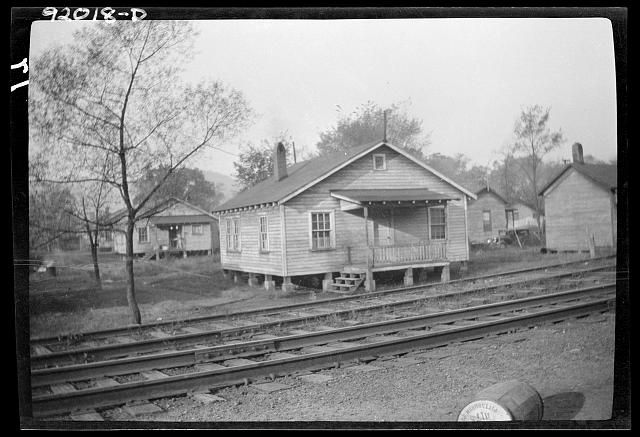
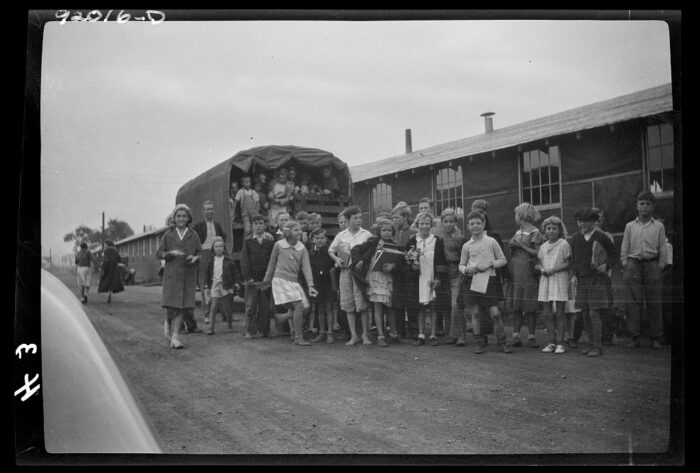
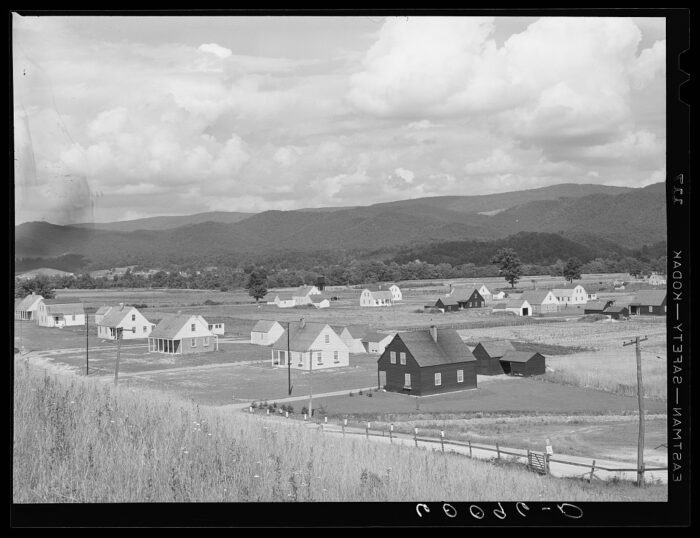
The third and final experimental town in West Virginia was Tygart Valley Homesteads in Randolph County. The original plan included 198 houses, built with the help of homesteaders in 1934. Settlers were paid 30 cents an hour and credits that could be put towards their new homes. By 1935, the humble abodes were ready to be occupied. Along with the homes, Tygart Valley Homesteads held a weaving center, potato storage shed, limestone quarry, shoe repair shop and many more residential operations. Just 10 years after the beginning of the settlement, World War II called upon the men of military age to serve the nation. These changes marked the end of the government’s reign over Tygart Valley homesteads, selling buildings to private businesses.
Now, the Trade Center, which once supported the livelihood of the homesteaders, serves as a lighthouse of historical significance. The Tygart Valley Homestead Association has dedicated efforts to restore the community buildings and blaze trails for explorers. Many original structures still stand in Dailey, West Virginia, echoing the pivotal stories of the past.
Looking for more peeks of the past? Check out all things wild & wonderful in our FREE West Virginia Vacation Guide.
Whispers of stories and shouts of history still sing in #AlmostHeaven
This post was last updated on September 16, 2025
Want to see more travel inspiration? Save West Virginia Tourism as a preferred source in Google