




Extend Your Adventure with these Backpacking Getaways in West Virginia
West Virginia offers some of the most rugged and scenic backpacking getaways on the East Coast, characterized by its “Almost Heaven” landscapes of lush forests, mountain streams and sweeping vistas. The Dolly Sods Wilderness is perhaps the state’s crown jewel, featuring a high-altitude plateau with unique red spruce forests and rocky overlooks. For those seeking significant elevation and solitude, Spruce Knob provides an alpine-like environment at the state’s highest peak, while the Cranberry Wilderness offers vast, remote acreage perfect for week-long treks. Serious hikers can also tackle the North Fork Mountain Trail for miles of continuous ridgeline views. With nearly 80% of the state forested and much of its prime terrain located within the Monongahela National Forest, these getaways promise a true backcountry escape from the bustle of everyday life.
Dolly Sods Wilderness
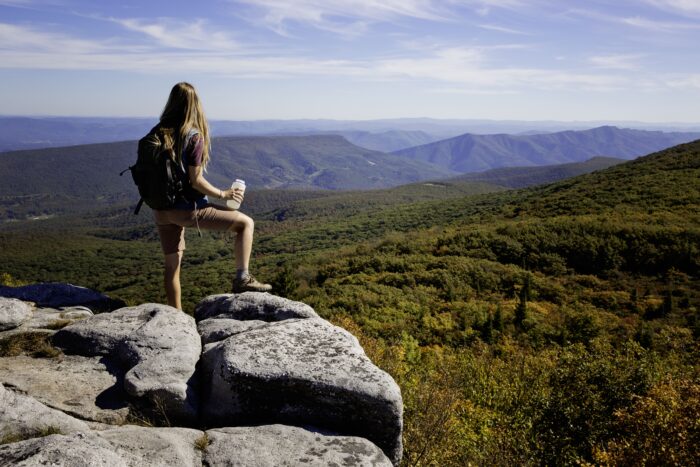
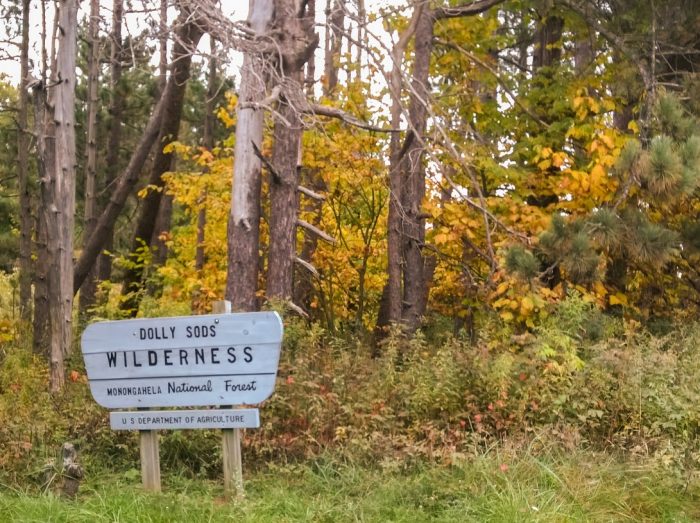
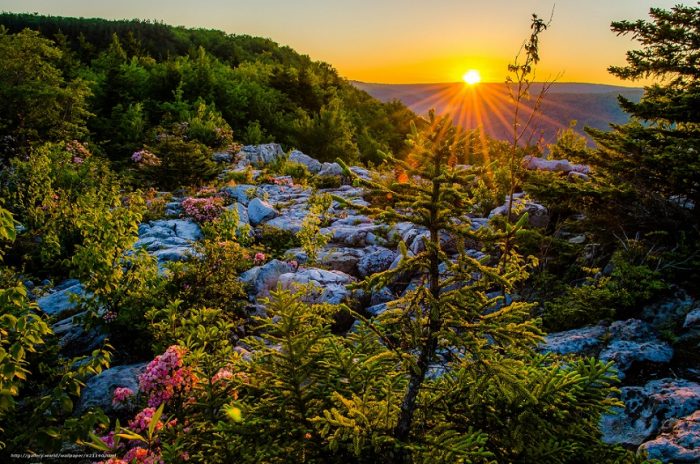
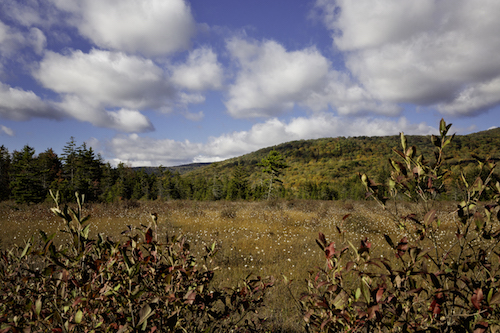
Backpacking through Dolly Sods Wilderness is like stepping into a slice of the Canadian tundra dropped into the heart of West Virginia. This high-altitude plateau offers a surreal landscape of wind-swept “banner trees,” vast sphagnum bogs, and rocky plains that feel worlds away from the typical Mid-Atlantic forest. Hikers can explore 47 miles of unblazed trails that lead to iconic spots like the white quartz of Bear Rocks or the hidden views from Lion’s Head. While the terrain is generally flat, the real challenge lies in the “Dolly Sods mud”—notorious, knee-deep bogs like those found on Dobbin Grade Trail that require quick-drying trail runners and a sense of humor. With free backcountry camping and no permits required, it is a premier destination for those seeking rugged solitude but, visitors are cautioned to stay on marked paths.
Spruce Knob-Seneca Rocks National Recreation Area
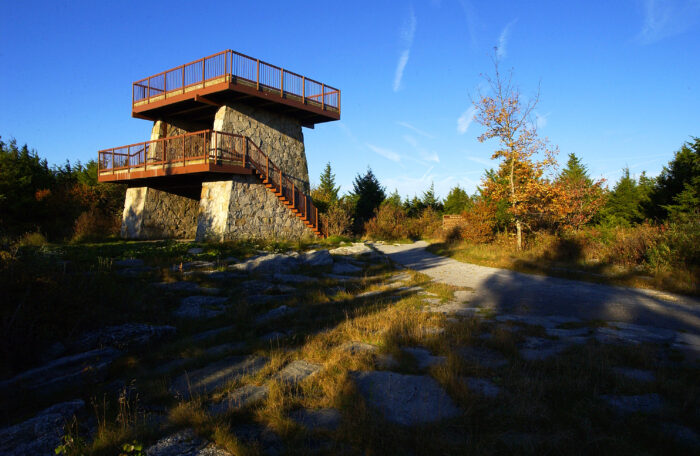
Traversing Spruce Knob, the highest point in West Virginia at 4,863 feet, offers a diverse journey through a rugged mountainscape. A quintessential route is the 16.5 mile Spruce Knob/Seneca Creek Loop, which typically takes two days and features terrain ranging from high-altitude red spruce forests with a Canadian boreal feel to lush mountain meadows and stream-fed valleys. Highlights of the trek include the panoramic 360-degree views from the Spruce Knob Observation Tower, the picturesque waterfalls along Seneca Creek, and the remains of a 1973 plane wreck tucked near the Lumberjack Trail. While the terrain is often moderate with gradual logging-grade climbs, hikers should prepare for famously muddy sections—particularly on the Lumberjack and Huckleberry trails—and multiple stream crossings that can become treacherous after heavy rain. Numerous established backcountry campsites are available, especially along the creek, making it a premier destination for both beginner and experienced backpackers seeking solitude and some of the darkest stargazing skies on the East Coast.
The Cranberry Wilderness
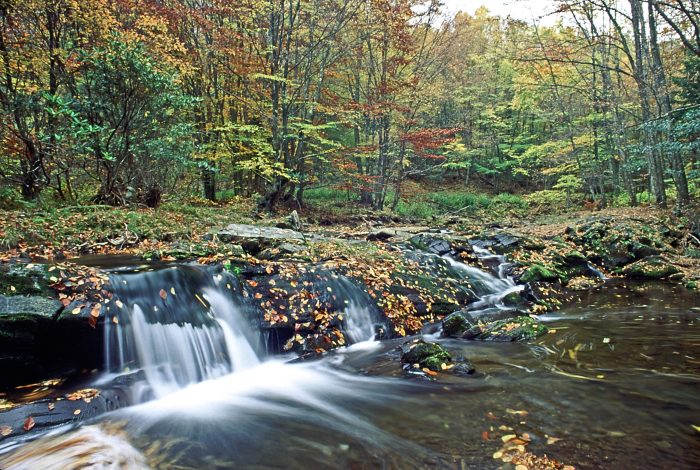
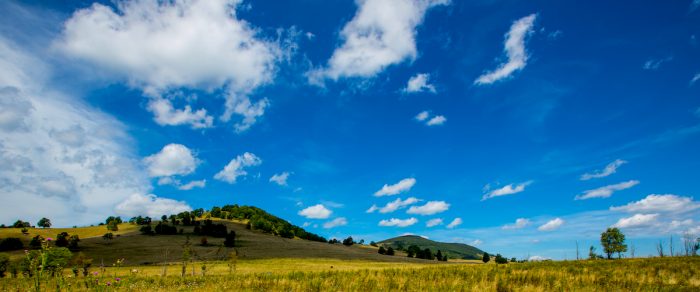
The Cranberry Wilderness offers a rugged and immersive escape into one of the largest roadless areas in the eastern United States. Spanning nearly 48,000 acres, the terrain is a “temperate jungle” characterized by dense Appalachian hardwoods, high-elevation red spruce stands and moss-covered ground. As a previously designated black bear sanctuary, hikers often encounter signs of wildlife while navigating the 70+ miles of primitive trails. These paths, which are often unmarked and overgrown, lead through boggy lowlands and across crystal-clear streams like the Middle Fork of the Williams River, where frequent fording is required. Whether you are exploring the 18.5-mile loop from the Highland Scenic Highway or seeking solitude among the waterfalls and swimming holes, the area demands self-reliance due to its lack of cell service and challenging, muddy conditions.
For the Serious Hiker
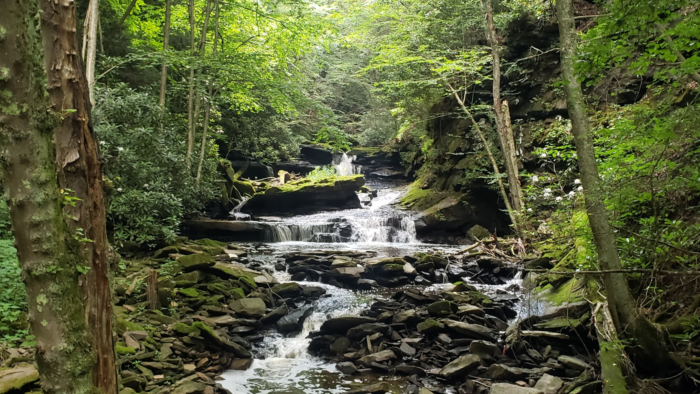
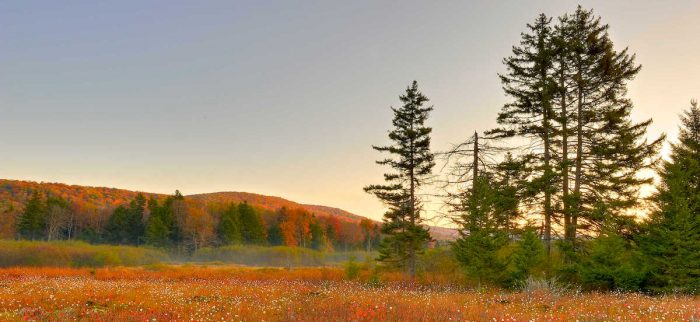
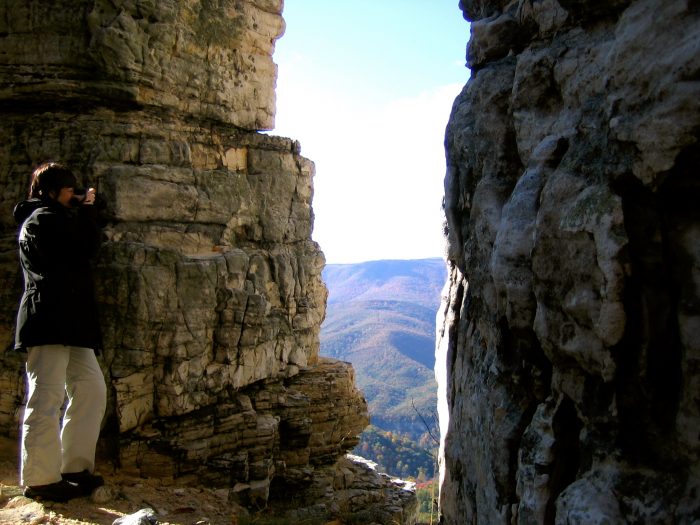
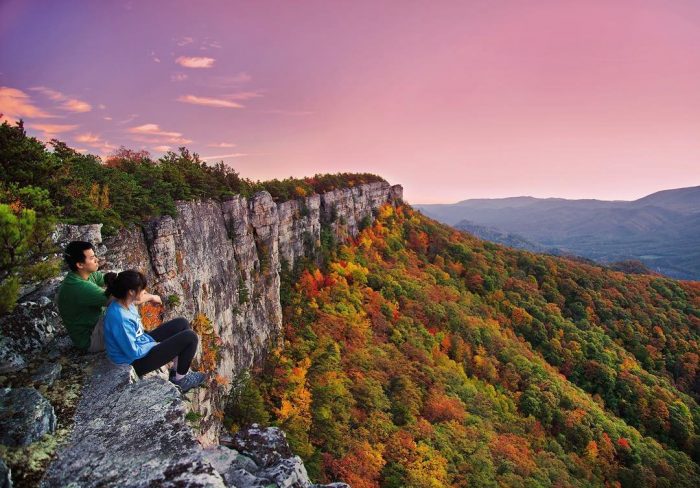
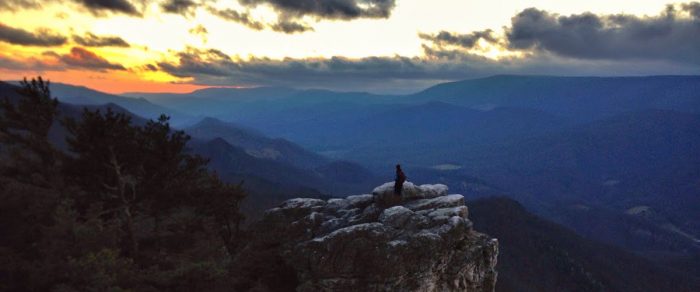
North Fork Mountain Trail is a premier 24-mile ridge-top journey through some of West Virginia’s most dramatic landscapes. Known as the driest mountain in the Appalachians, the trail follows a high spine that offers relentless panoramic views of Smoke Hole Canyon, Germany Valley, the distant Spruce Knob and nearly continuous westward views of the Seneca Rocks. Experienced hikers typically tackle the route as a multi-day point-to-point trip, often traveling south-to-north to take advantage of more gradual elevation changes before descending to the northern trailhead. The terrain is characterized by massive sandstone cliffs and stunted pine forests, with the iconic Chimney Top serving as a major highlight near the trail’s northern end. There are virtually no reliable water sources along the ridgeline, backpackers must carefully plan to carry all necessary water or utilize the single spring, often temperamental and unreliable water source, located around the mid-point of the trail. Managed by the U.S. Forest Service, the trail rewards those who brave its arid conditions with secluded campsites perched right at the edge of thousand-foot drops.
Views are always better in Almost Heaven. Pre-order our brand new FREE West Virginia Vacation Guide for more incredible experiences to add to your winter photo-op list!
Order the Vacation Guide NowThis post was last updated on March 9, 2026
Want to see more travel inspiration? Save West Virginia Tourism as a preferred source in Google